
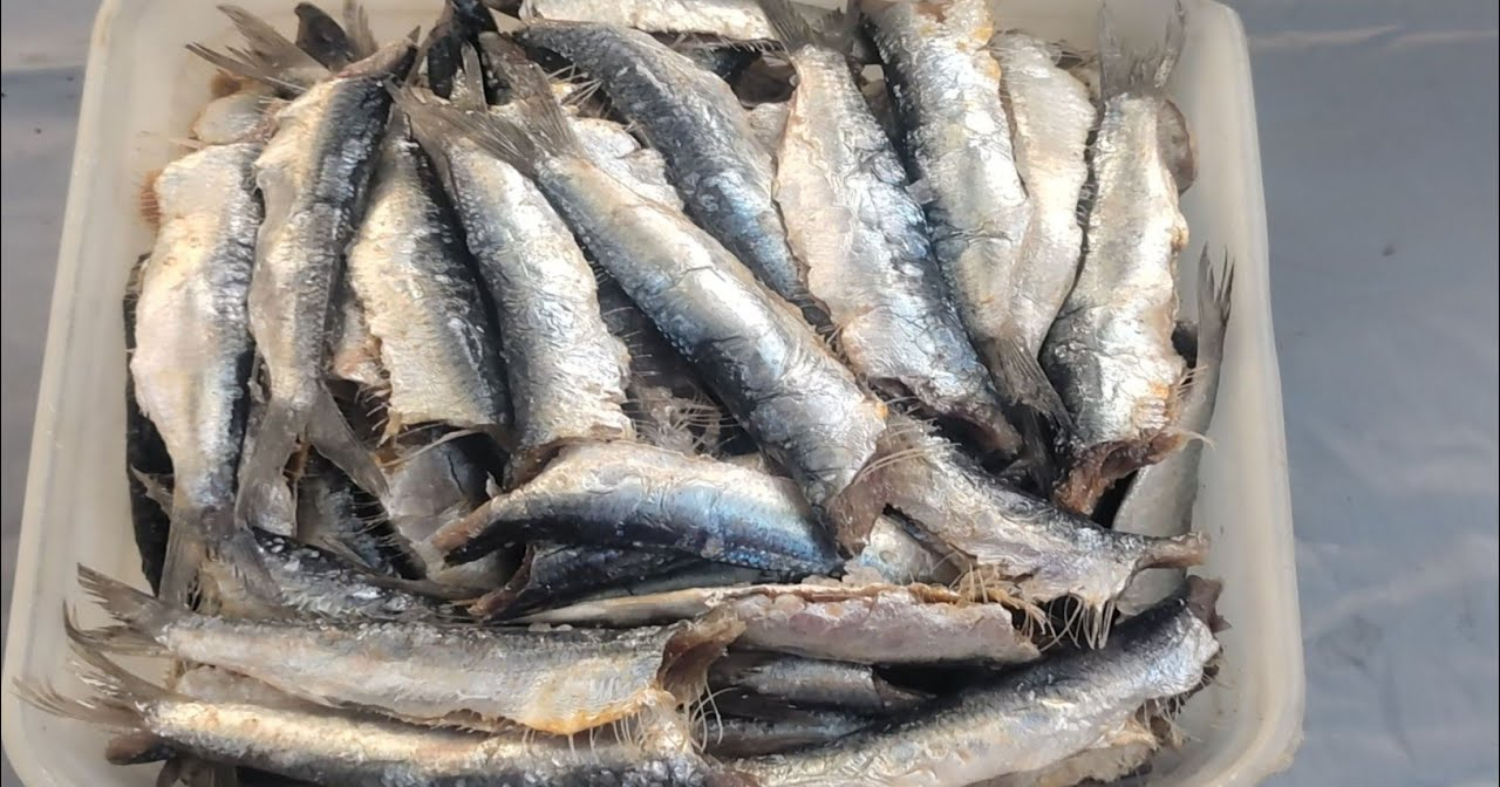
50 രൂപയുടെ മീൻ വർഷം മുഴുവൻ കഴിക്കാം; ഒരു തവണ ഇതുപോലെ വീട്ടിൽ ഉണ്ടാക്കി നോക്കൂ, പിന്നെ ഒരിക്കലും കടയിൽ നിന്ന് വാങ്ങില്ല | Homemade Dried Fish Making Tricks

Homemade Dried Fish Making Tricks : ഉണക്കമീൻ ഉപയോഗിച്ച് തയ്യാറാക്കുന്ന വിഭവങ്ങൾ കഴിക്കാൻ ഒരു പ്രത്യേക രുചി തന്നെയാണ്. പണ്ടുകാലങ്ങളിൽ നമ്മുടെയെല്ലാം നാട്ടിലെ കടകളിൽ നിന്നും അധികം കെമിക്കലൊന്നും ചേർക്കാത്ത രുചികരമായ ഉണക്കമീനുകൾ സുലഭമായി ലഭിക്കുമായിരുന്നു. എന്നാൽ ഇന്ന് ഉണക്കമീനുകളിൽ ധാരാളം കെaമിക്കൽ അടങ്ങിയിട്ടുണ്ട് എന്നാണ് പല റിപ്പോർട്ടുകളും പറയുന്നത്.
അത്തരം സാഹചര്യങ്ങളിൽ ഉണക്കമീൻ കടകളിൽ നിന്നും വാങ്ങാതെ കൂടുതൽ അളവിൽ മത്തി വാങ്ങി നിങ്ങൾക്ക് തന്നെ അത് ഉണക്കി ആവശ്യാനുസരണമെടുത്ത് ഉപയോഗിക്കാവുന്നതാണ്. അത് എങ്ങനെയാണെന്ന് വിശദമായി മനസ്സിലാക്കാം. സാധാരണ മത്തി വാങ്ങുമ്പോൾ വൃത്തിയാക്കുന്ന അതേ രീതിയിൽ തന്നെ വാങ്ങിച്ച മത്തി മുഴുവനായും നല്ലതുപോലെ കഴുകി വൃത്തിയാക്കി വയ്ക്കുക. ഒരു മൺചട്ടിയെടുത്ത് അതിന്റെ ഏറ്റവും താഴത്തെ ലെയറിൽ ഒരു പിടി അളവിൽ കല്ലുപ്പ് വിതറി കൊടുക്കുക.
അതിന്റെ മുകളിലേക്ക് കഴുകി വൃത്തിയാക്കി വെച്ച മത്തി നിരത്തിയ ശേഷം വീണ്ടും മുകളിൽ ഒരു ലയർ കൂടി ഉപ്പിട്ട് നിരത്തുക. പാത്രം ഒരു അടപ്പുപയോഗിച്ച് അടച്ച ശേഷം അതിന് മുകളിൽ ഒരു ഇടികല്ല് കയറ്റി വയ്ക്കുക. ഈയൊരു രീതിയിൽ രണ്ട് ദിവസമാണ് മീൻ അടച്ച് സൂക്ഷിക്കേണ്ടത്. മൂന്നാമത്തെ ദിവസം പാത്രം തുറന്ന് അതിലെ വെള്ളമെല്ലാം കളഞ്ഞ് മീനിലെ വെള്ളം പോകാൻ പാകത്തിൽ ഒരു പാത്രത്തിൽ ഇട്ടു വെക്കുക.
ശേഷം നേരത്തെ ചെയ്ത അതേ രീതിയിൽ തന്നെ മൺചട്ടിയിൽ ഉപ്പ് വിതറി അതിനു മുകളിൽ മീൻ നിരത്തി വീണ്ടും മുകളിൽ ഉപ്പിട്ട് രണ്ടുദിവസം കൂടി അടച്ച് സൂക്ഷിക്കുക. മൂന്നാമത്തെ ദിവസം നേരത്തെ പറഞ്ഞ അതേ രീതിയിൽ തന്നെ മീൻ എടുത്ത് മാറ്റി വയ്ക്കുക. ഇത്തരത്തിൽ മീൻ പൂർണ്ണമായും ഉണങ്ങുന്നത് വരെ ചെയ്തെടുക്കണം. പിന്നീട് ഇത് ഒരു പാത്രത്തിലാക്കി അടച്ച് സൂക്ഷിക്കുകയാണെങ്കിൽ ആവശ്യമുള്ള സമയത്ത് എടുത്ത് ഉപയോഗിക്കാവുന്നതാണ്. കൂടുതൽ വിശദമായി മനസ്സിലാക്കാൻ വീഡിയോ കാണാവുന്നതാണ്. Homemade Dried Fish Making Tricks Credit : Adam cook world
Homemade Dried Fish Making Tricks
Dried Fish Making is a traditional method of fish preservation that removes moisture to inhibit bacterial growth, extending the fish’s shelf life. This process is widely used in many cultures around the world and can be done using simple tools or more sophisticated drying equipment.
Basic Steps in Making Dried Fish
- Selection of Fish
Choose fresh, good-quality fish. Common species used for drying include:
Anchovies
Sardines
Mackerel
Tilapia
Cod - Cleaning and Gutting
Wash the fish thoroughly.
Remove the guts, gills, and scales.
For larger fish, split them open or fillet them to speed up drying. - Salting
Salting helps to draw out moisture and prevent bacterial growth.
Use dry salt or brine (saltwater solution).
Soak the fish in salt or brine for several hours (e.g., 6–12 hours).
Rinse off excess salt if desired. - Drying
There are two main methods:
Sun Drying: Spread the fish on drying racks or hanging lines in a sunny, well-ventilated area. Protect from insects using mesh covers.
Mechanical Drying: Use a dehydrator or drying oven set at 40–60°C (104–140°F) for more consistent results.
Drying time varies by fish size and weather conditions – it can take from a few hours to several days. - Storage
Store dried fish in airtight containers or vacuum-sealed bags.
Keep in a cool, dry place or refrigerate/freezer for longer storage.
Tips
- Use food-grade materials for salting and drying.
- Prevent mold and insect infestation by ensuring proper drying and hygienic conditions.
- For flavor variations, you can add spices or smoke the fish slightly before or after drying.
